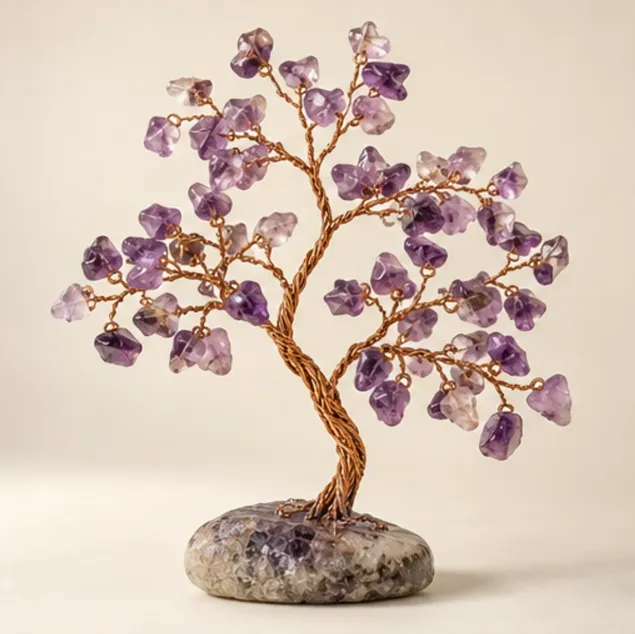
Amethyst Gemstone Tree
Purple amethyst chips and fine branching create a graceful decorative tree for a quiet shelf or desk. An open crown and changing tones give it detail without overwhelming the space around it.
Call for pricing
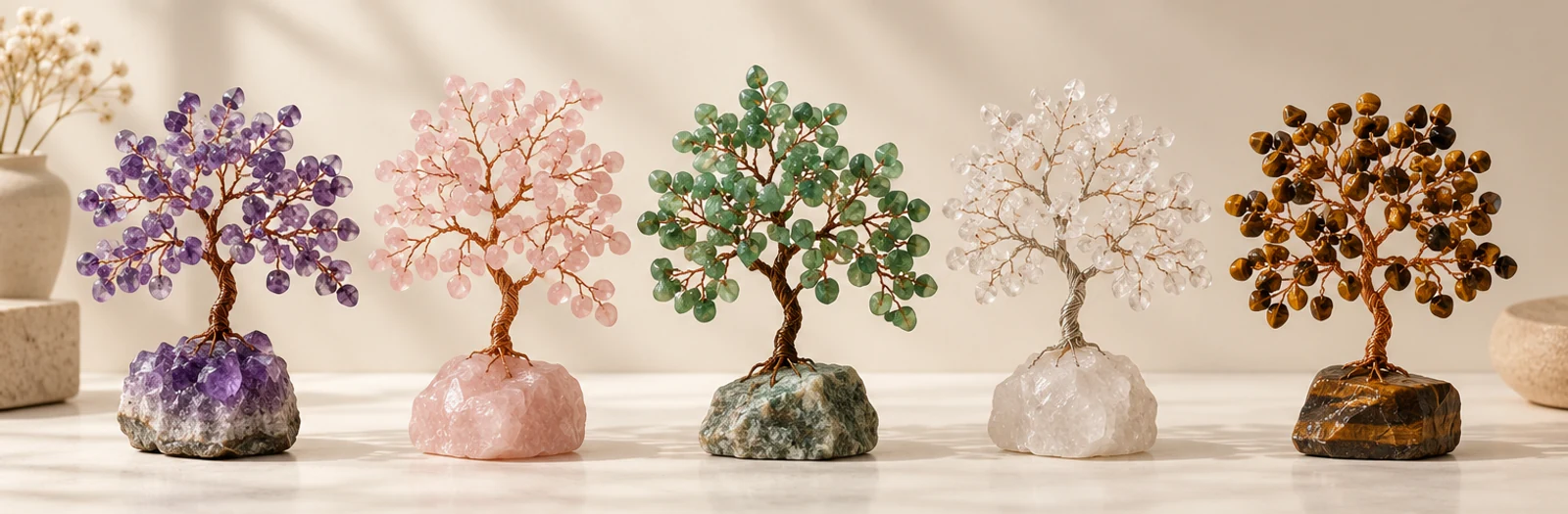
Explore gemstone trees through their chip colours, branching shapes and decorative character. Find a design for a favourite shelf, a considered desk or a thoughtful gift, with guides to meaning, placement and gentle care.
Purple amethyst chips and fine branching create a graceful decorative tree for a quiet shelf or desk. An open crown and changing tones give it detail without overwhelming the space around it.
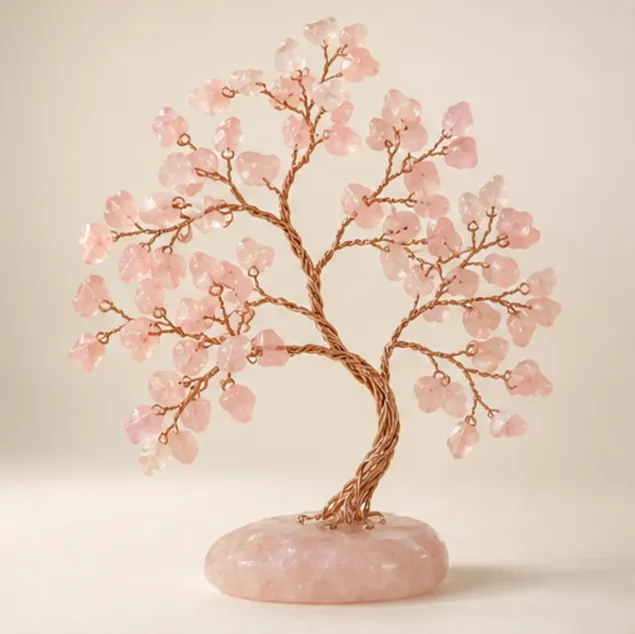
A soft pink palette, delicate branches and a loosely rounded crown make this rose quartz tree an inviting accent. Choose it for a gentle shelf display, a personal corner or a thoughtful decorative gift.
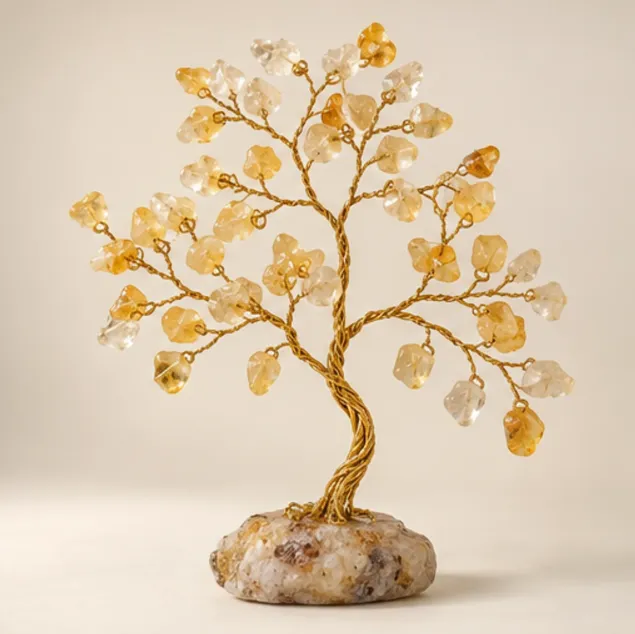
Warm yellow-to-honey tones and airy chip clusters give this citrine tree an inviting presence. Enjoy it as a bright decorative accent, with contemporary abundance symbolism and practical ideas for a considered display.
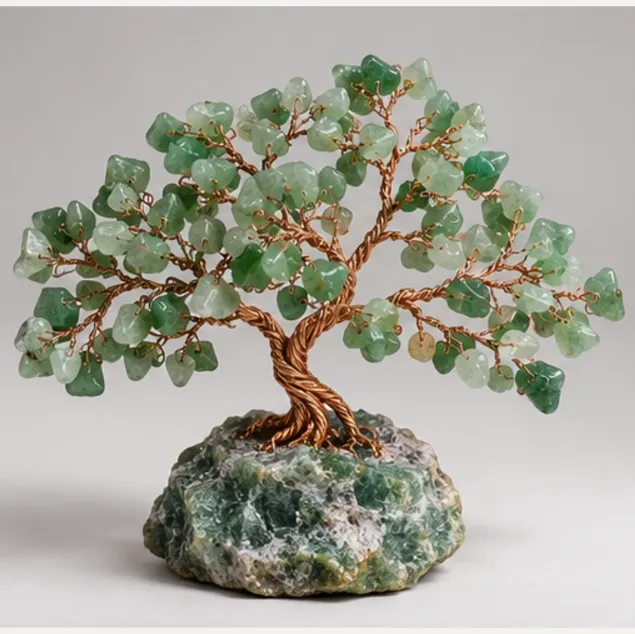
Leafy green chips and a broad, relaxed crown make a green aventurine tree a fresh-looking decorative choice. Find a place for its colour on a desk, shelf or thoughtful housewarming display.
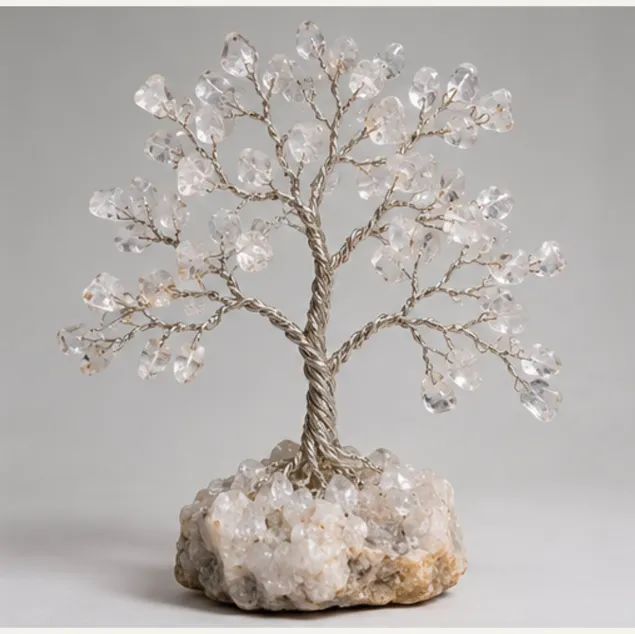
Clear-to-cloudy quartz chips and open wire branches make an understated tree with a light, detailed silhouette. A simple background lets its small textures and changing reflections become part of the display.
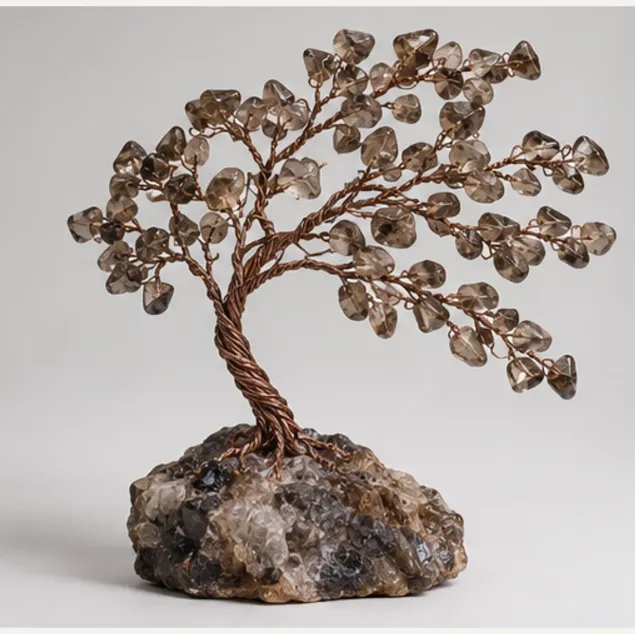
Smoky grey-to-brown chips give this decorative quartz tree an earthy, relaxed character. Its open, gently windswept form sits naturally among wood, neutral colours and simple everyday objects.
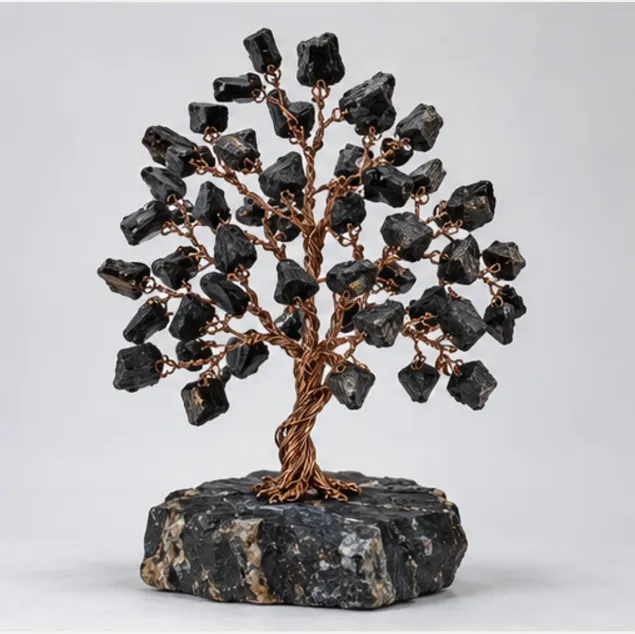
Dark chip textures and a compact upright crown give this black tourmaline tree a clear, contrasting silhouette. It is a considered accent for a light shelf, a desk corner or a personal display.
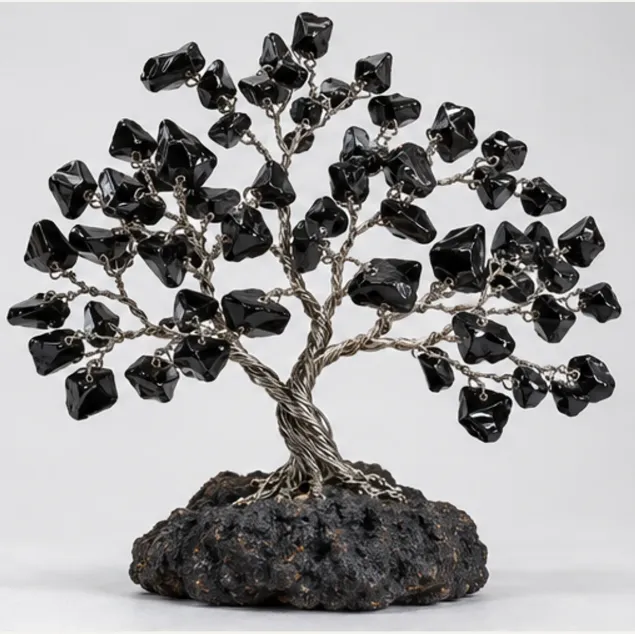
A reflective black palette and an irregular spreading crown give this obsidian tree a strong decorative outline. Pair it with a simple light setting and enjoy the contrast between dark chips and fine branching.
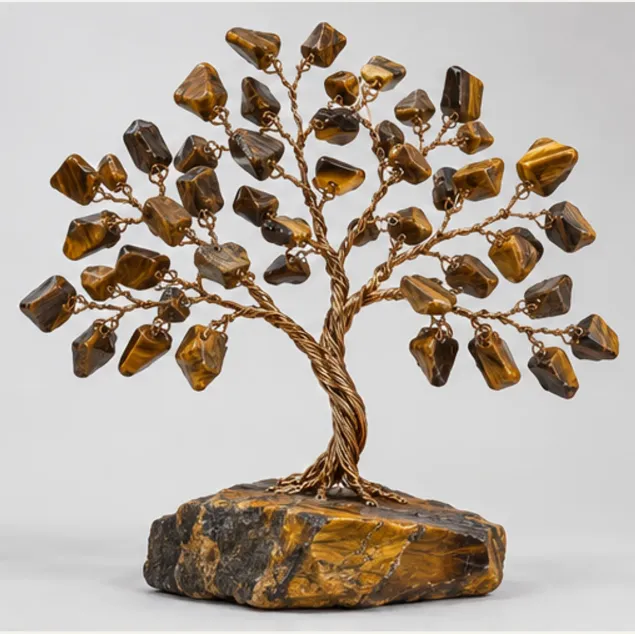
Brown and golden stripes give this tiger eye tree warmth and changing reflections. A fan-like crown makes it an inviting accent for natural wood, a personal work corner or a thoughtful decorative gift.
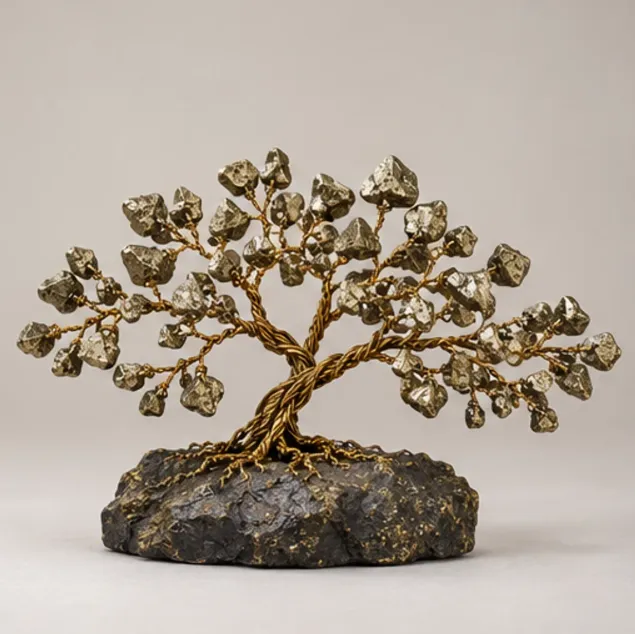
Brassy chip texture and a low spreading crown give this pyrite tree a compact, sculptural presence. Its metallic-looking palette brings warmth to a simple shelf or a considered desk arrangement.
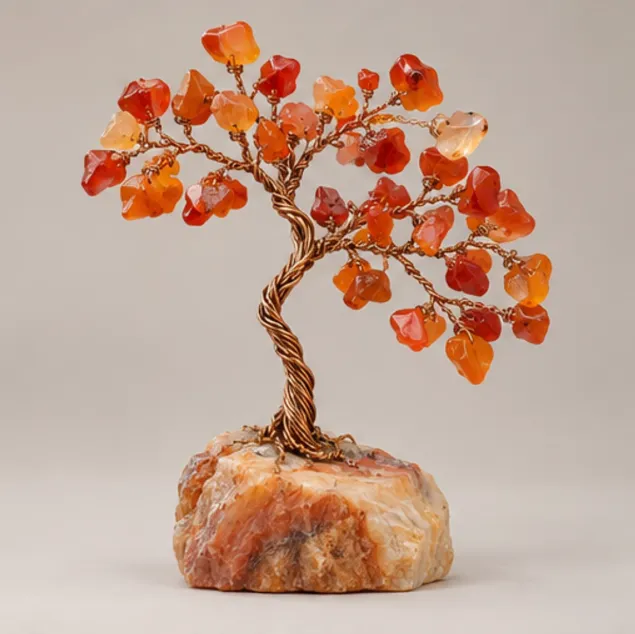
Orange-red carnelian chips bring warmth to a slender decorative tree. Its open branching and lively palette make it an inviting choice for a favourite shelf, a creative corner or a personal gift.
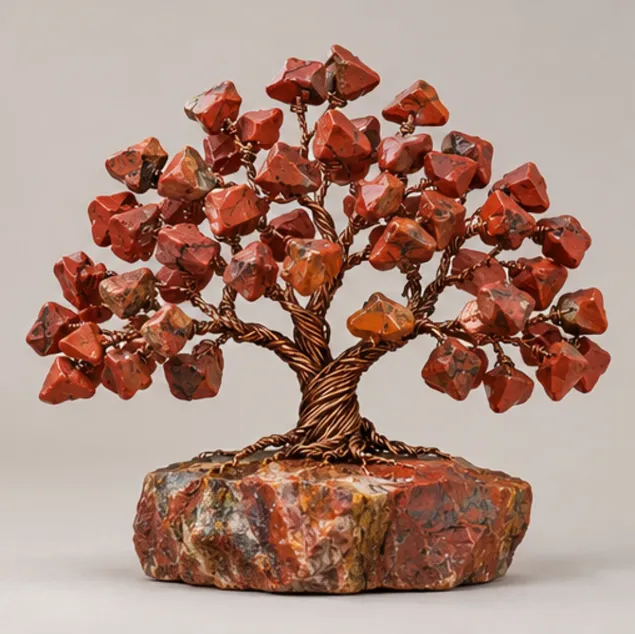
Earthy red chips and a broad, grounded crown give this red jasper tree a calm decorative strength. Enjoy its textured colour among wood, neutral objects and other warm-toned designs.
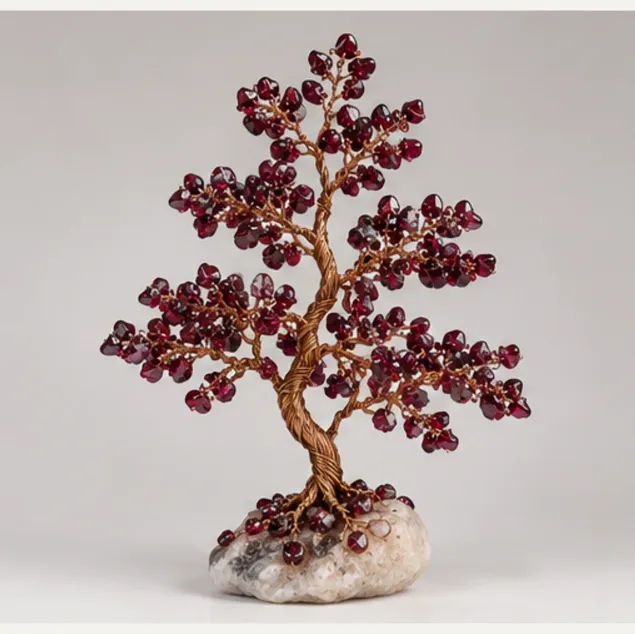
Deep red-to-burgundy chips give this garnet tree a rich, understated palette. A layered crown and fine wirework make it a decorative alternative to brighter red or orange designs.
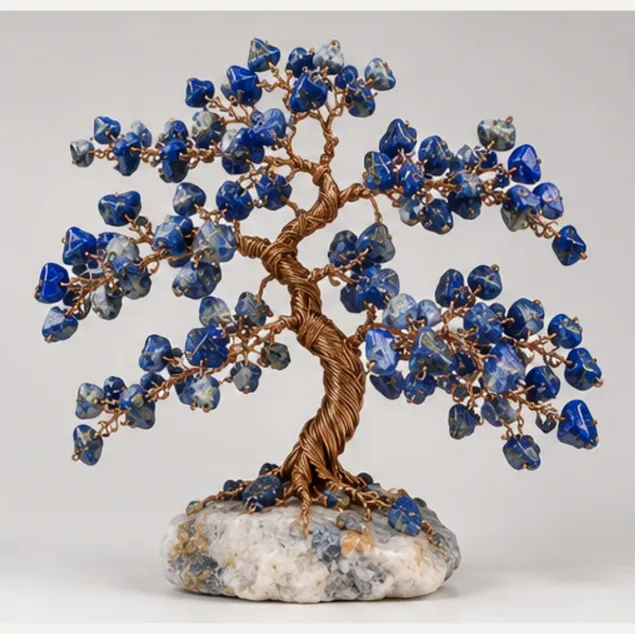
A varied blue palette and spreading branch groups give this lapis lazuli tree a distinctive decorative character. Enjoy the contrast of small stone chips, fine wirework and an irregular crown.
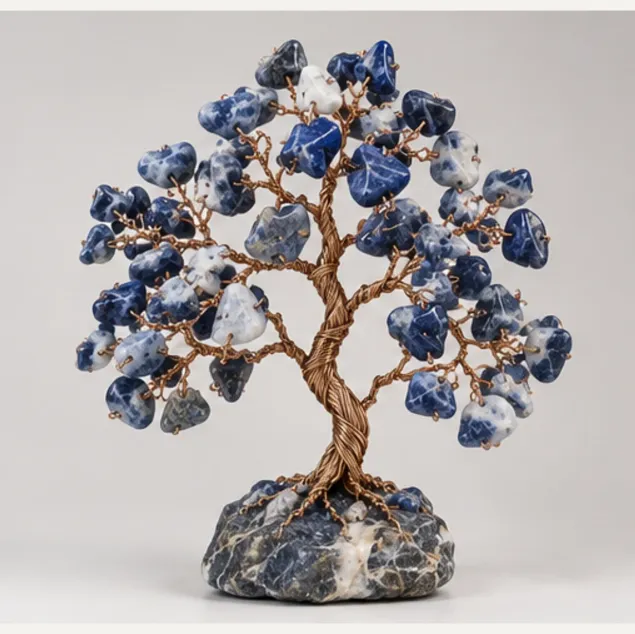
Blue chips with pale markings give this sodalite tree a relaxed, patterned look. Its loose oval crown and visible wirework make it an easy decorative companion to light wood and quiet neutral colours.
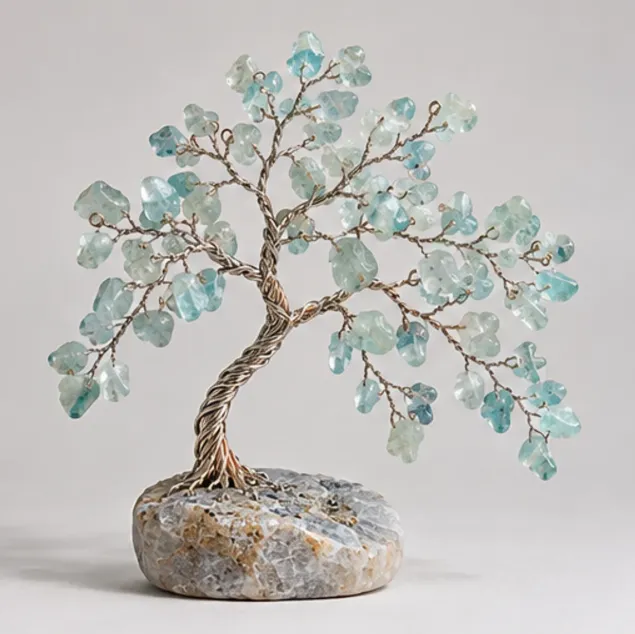
Pale blue-green chips and light branching give this aquamarine tree an airy decorative character. It suits a simple shelf, a softly coloured room or a gift chosen for someone who enjoys subtle blues.
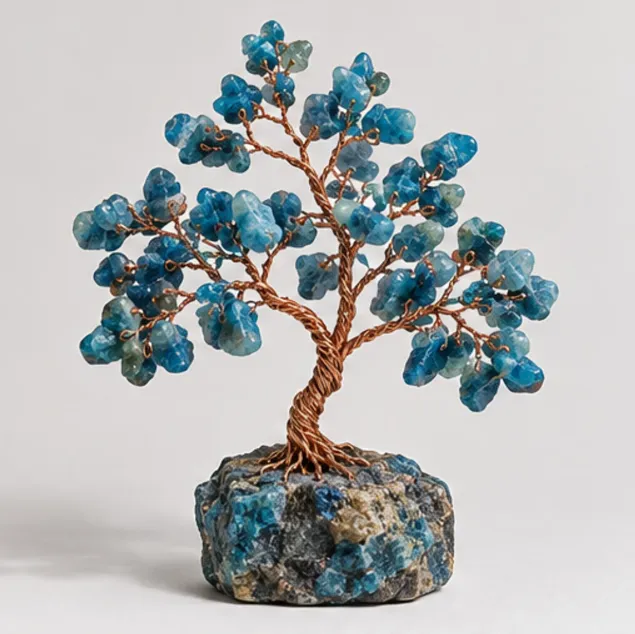
Blue-to-teal apatite chips give this compact decorative tree a lively colour accent. Irregular clusters, visible wirework and a softly uneven crown make it interesting from both near and far.
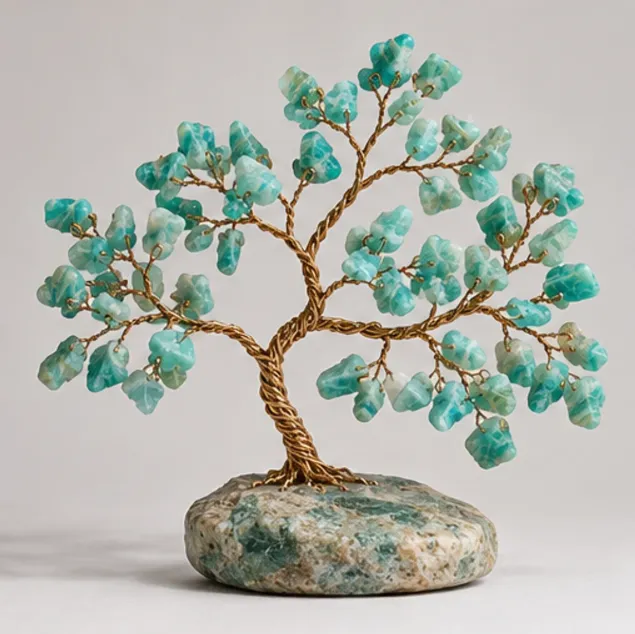
Blue-green chips, pale streaks and relaxed branching give this amazonite tree an easy decorative presence. Enjoy its colour on a simple desk, among natural wood or as part of a considered shelf arrangement.
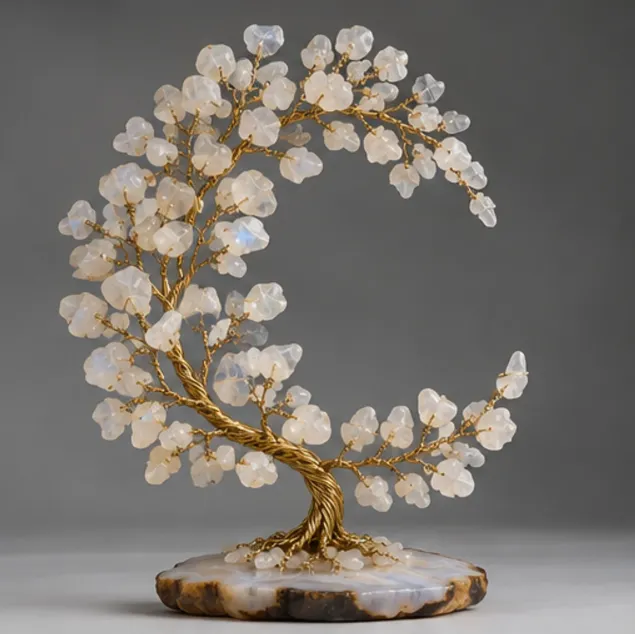
Soft colour, an open crescent-like crown and subtle light effects give this moonstone tree a gentle character. It is a decorative choice for a quiet corner, a personal shelf or a thoughtful new-beginning gift.
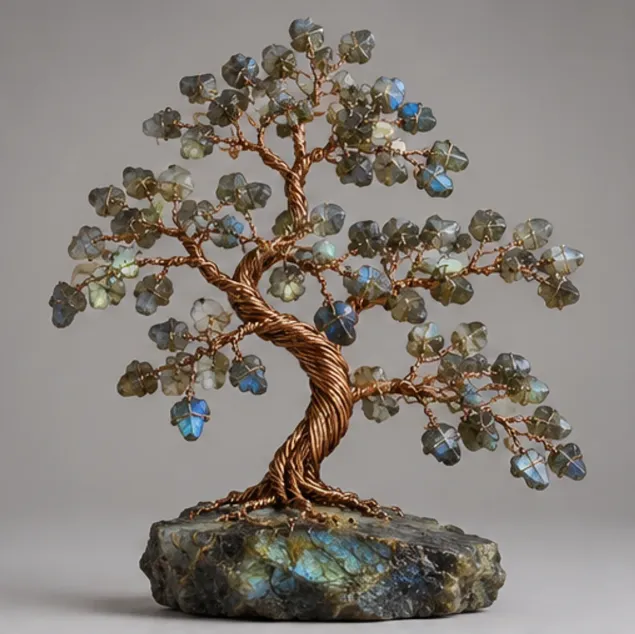
Grey-green chips and selective flashes give this labradorite tree a changing visual character. An uneven layered crown invites you to enjoy different angles rather than expect every chip to shine at once.
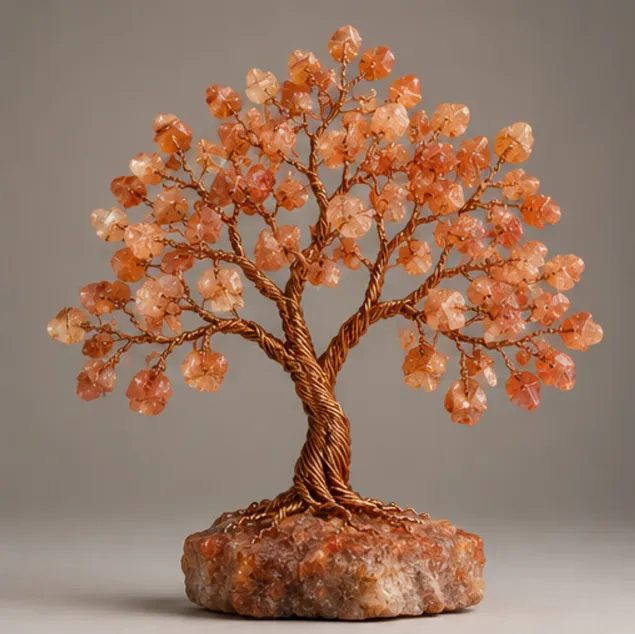
Warm peach-to-orange chips and a gently domed crown give this sunstone tree a welcoming decorative character. Enjoy its restrained sparkle beside wood, cream and other uncomplicated natural colours.
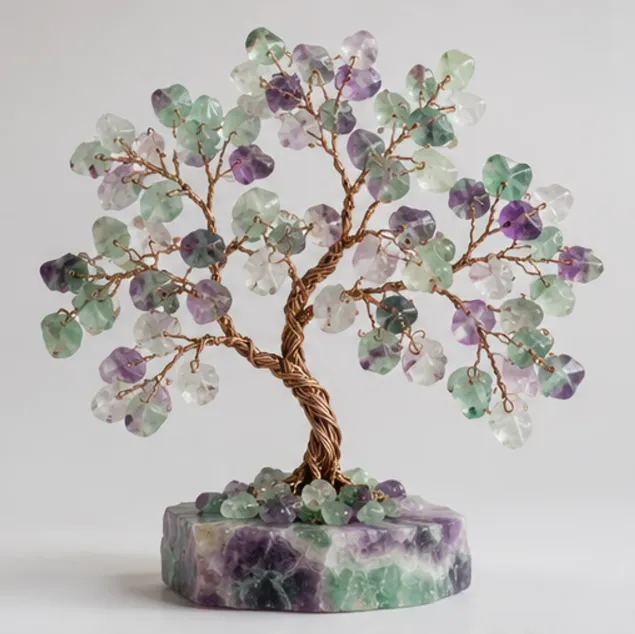
Soft green, lilac and clearer areas give this fluorite tree a varied, gentle palette. An airy crown lets individual chips and fine branches remain visible without making the display feel crowded.
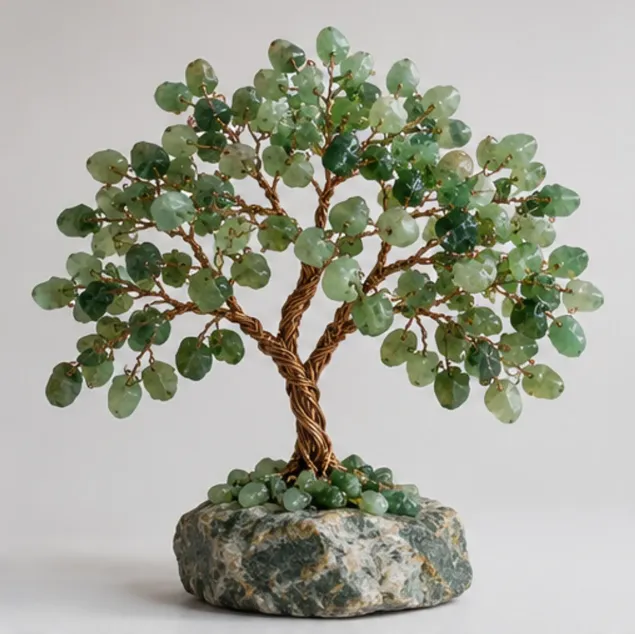
Muted green chips and a rounded crown give this jade-named tree a gentle, classic decorative shape. Enjoy the leafy palette on a simple shelf or as a thoughtful symbol of growth and care.
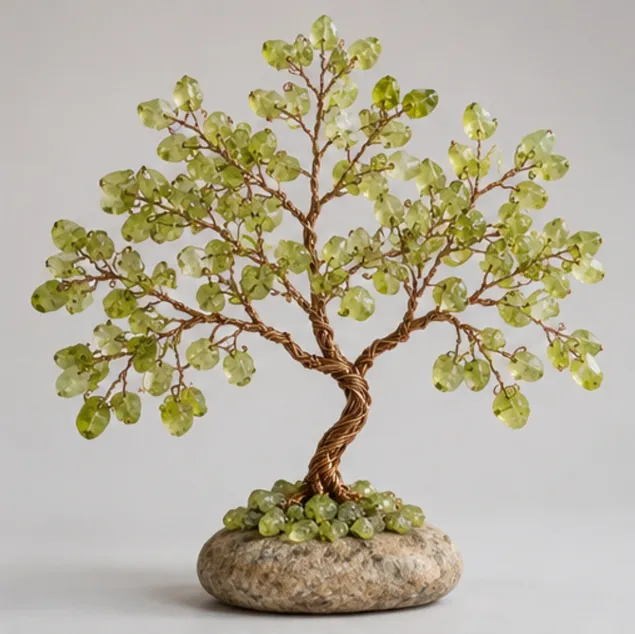
Light olive-to-yellow-green chips give this peridot tree a fresh-looking palette. Fine open branches and a low base create a gentle decorative accent for a shelf with room to breathe.
A gemstone tree brings stone-chip colour and shaped wire branches into a decorative tree form. Its character comes from the whole object: the openness of the crown, the line of the trunk, the small differences between chips and the base beneath them. Choose a design that you will enjoy seeing in an ordinary room, rather than one that depends on a dramatic close-up to make an impression.
Soft pink and purple, leafy green, yellow, colourless, blue, earthy red and dark metallic-looking palettes offer different possibilities. A single-material design lets one colour direction develop across the crown. Freely mixed trees distribute colours more irregularly, while a seven chakra design uses a contemporary grouped-colour arrangement. Compare the tree form as well as the material name; two trees with similar chips can have very different silhouettes.
Start with a whole view including the base, then look at the useful close-up. An open canopy shows more wirework and individual branch groups, while a fuller crown gives more emphasis to chip texture. Height, canopy spread and base footprint describe different parts of the finished object. More chips do not automatically mean a taller or better-proportioned tree. Use actual measurements when fitting a limited surface rather than inferring scale from a room illustration.
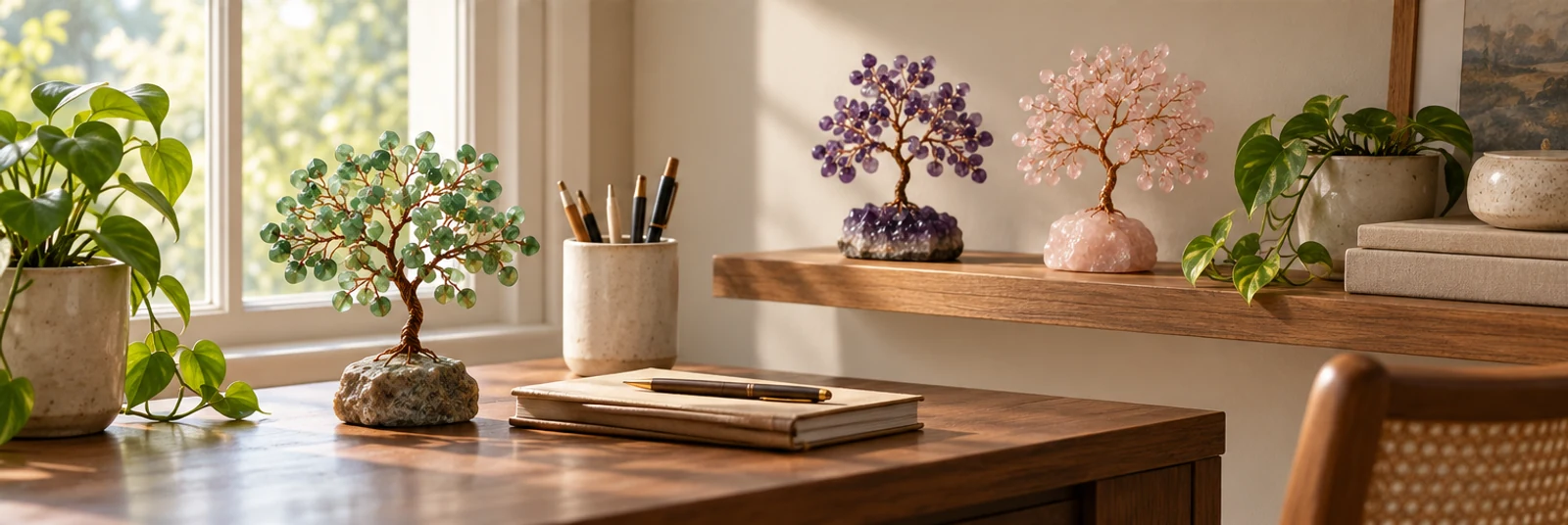
A stable shelf or clear desk corner often suits a tree better than a crowded edge. Leave room for the widest branches and for gentle dusting around them. Keep the base beyond the movement of sleeves, bags, curtains and cables, and separate the display from drinks and cleaning sprays. A quiet background can help subtle chip patterns remain visible; a light wall can give a darker crown a particularly clear outline.
A tree can suggest patience, growth, connection or a new beginning. Contemporary crystal associations may add another layer for someone who enjoys them, but a decorative object does not promise prosperity, protection or a health result. A favourite colour, a personal note or a thoughtful place in the home can be enough. Vastu, Feng Shui and chakra contexts should be described with their own sources rather than combined into one invented ancient rule.
For a housewarming, a new workspace or a personal milestone, begin with the recipient and the space they use. A soft neutral design can be an adaptable choice; a stronger colour can reflect a favourite palette. Add a simple note about the occasion instead of a list of guaranteed benefits. Use the actual purchase terms for packaging, included accessories and delivery; objects in a styled scene are not automatically supplied with the tree.
Lift from the base and remove ordinary dust with a clean, soft dry brush. Work around chip clusters without pulling a cloth through fine wire loops. The chips, wire finish and base fixing can have different care limits, so do not assume that a method suitable for a loose gemstone also suits the whole tree. Avoid unverified soaking, salt, strong heat and polishing routines. Only make small supported branch adjustments where the actual construction permits them.
| Your preference | A useful comparison |
|---|---|
| Soft colour | Amethyst and rose quartz for purple and pink palettes. |
| Warm colour | Citrine, tiger eye, carnelian, red jasper and garnet. |
| Green detail | Aventurine, jade-named designs, peridot, moss agate and unakite. |
| Blue direction | Lapis lazuli, sodalite, aquamarine, apatite and amazonite. |
| Light and reflection | Clear or smoky quartz, moonstone, labradorite and sunstone. |
| Dark or mixed accents | Tourmaline, obsidian, pyrite, hematite, howlite, fluorite, seven-colour and freely mixed trees. |
No. They are decorative assemblies of chips, wire and a base. Enjoy the tree shape without watering it; occasional gentle dusting and a stable place are the useful routine.
No. Appearance helps with styling, while an accurate actual component statement describes what is supplied. A photograph is not a laboratory identification or a treatment finding.
Only where the construction permits it. Support one branch, make a small adjustment and preserve a relaxed outline rather than repeatedly twisting the trunk or pulling chips.
The catalogue visuals represent design and display ideas. Ask about the current piece and its actual photographs, materials, price and availability before ordering.
Think about the recipient’s favourite colours and available surface space. A personal note about a housewarming or growing project gives the tree meaning without a promised outcome.Explore all twenty-four guides
Explore more objects and thoughtful display ideas in the Vastu collection.

