
Global warming is not merely a scientific abstraction; it is the defining challenge of our era. As the Earth's climate system experiences an unprecedented increase in temperature, the delicate balance of our biosphere is being disrupted. Understanding the mechanism of this change and adopting rigorous personal and collective precautions is no longer optional—it is a responsibility we owe to future generations.
?? Defining the Climate Crisis
Global warming refers to the persistent, long-term increase in the Earth's mean surface temperature. Since the dawn of the industrial revolution, human activities—specifically the combustion of fossil fuels and large-scale land-use changes—have accelerated the accumulation of heat-trapping greenhouse gases in our atmosphere. Scientific consensus indicates that the global temperature has risen by approximately 0.8°C since the early 20th century, a rate of warming that has accelerated significantly since 1980. Furthermore, over 90% of the excess thermal energy trapped by these gases has been absorbed by the oceans, fundamentally altering marine ecosystems.
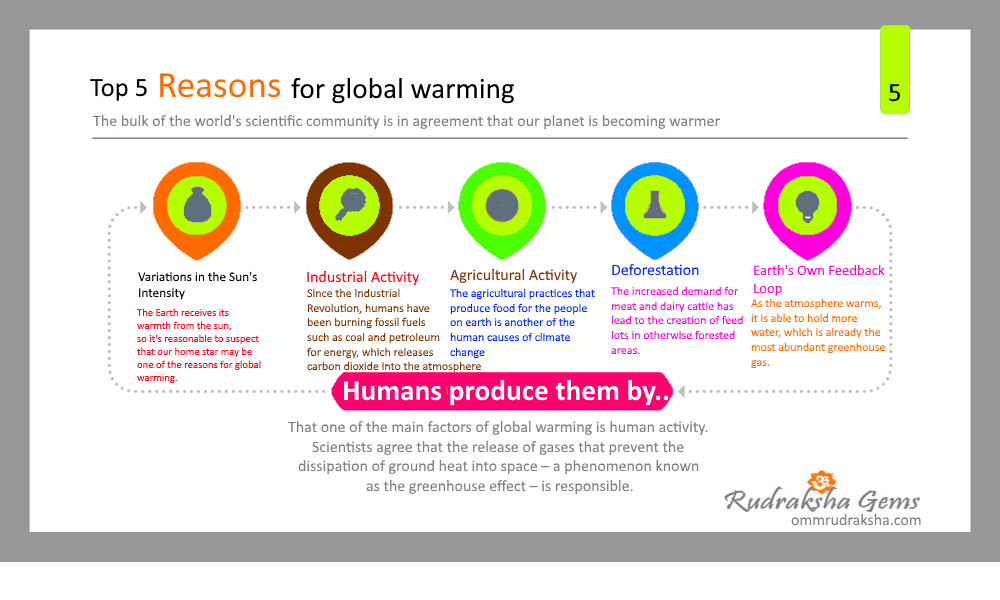
Figure 1: Anthropogenic activities act as the primary catalysts for current atmospheric warming.
?? Core Drivers and Environmental Impacts
The phenomenon of global warming is driven by a complex interplay of human actions that reduce the Earth's capacity to regulate its internal temperature:
- Greenhouse Gas Emissions: The relentless release of Carbon Dioxide and Methane creates a "blanket" that traps solar radiation.
- Deforestation: By clearing vast swathes of forest, we effectively destroy the Earth's most efficient "carbon sinks," leaving more CO2 in the atmosphere.
- Industrialization & Fossil Fuels: The global reliance on coal, oil, and gas for energy continues to fuel the rapid rise of atmospheric greenhouse gas concentrations.
The consequences of this thermal rise are severe:
- Cryosphere Loss: Accelerating glacier melt is directly contributing to rising sea levels, threatening low-lying coastal populations.
- Extreme Weather: We are witnessing a higher frequency and intensity of heatwaves, floods, and unpredictable super-storms.
- Biodiversity Collapse: Many species are unable to adapt to the rapid shift in their native habitats, leading to localized extinctions.
?? Climate Data Comparison
| Temporal Period | Observed Temp Increase |
|---|---|
| 1850 – 1980 | ~0.4°C |
| 1980 – 2020 | ~0.8°C |
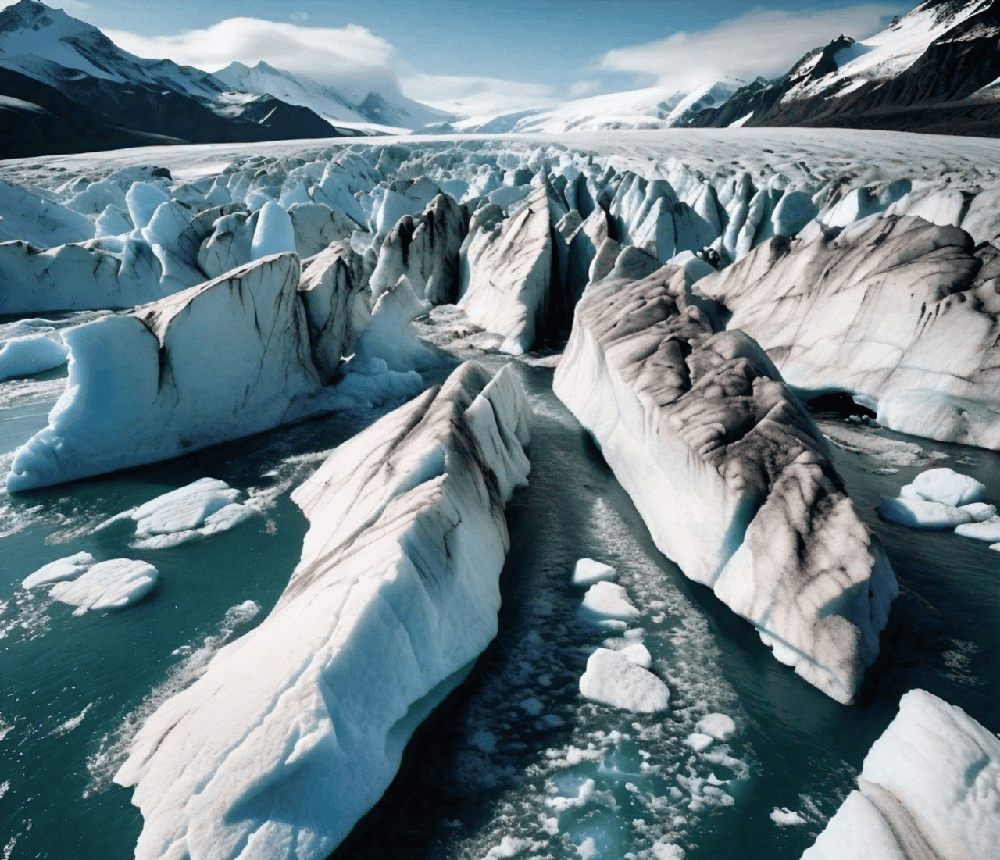
Figure 2: Statistical trends confirm that warming has accelerated in the last four decades.
?? Precautions and Actionable Solutions
While the scope of global warming is vast, individual choices aggregate to create significant positive systemic shifts. We must adopt these precautions immediately:
- Transition to Renewables: Advocate for and utilize solar, wind, and geothermal energy where possible.
- Energy Efficiency: Consciously reduce energy consumption at home—switch to LED lighting and switch off unused electrical devices.
- Refuse & Recycle: Combat the plastic crisis by strictly avoiding single-use plastics and committing to circular recycling practices.
- Support Afforestation: Planting trees and protecting native green belts remains the most natural defense against rising CO2 levels.
- Sustainable Transit: Reduce individual vehicle carbon emissions by opting for public transportation, cycling, or electric mobility.
?? Frequently Asked Climate Inquiries (FAQs)
? What defines global warming?
Global warming is the long-term, continuous rise in the Earth's average atmospheric temperature, driven largely by the human-induced greenhouse effect.
? Why is this phenomenon considered so dangerous?
It threatens the structural stability of global ecosystems, human health, and food security, leading to unpredictable disasters that can destabilize nations.
? Can individual actions truly mitigate global warming?
Yes. Collective individual changes in consumption, energy use, and advocacy directly influence markets and policies, driving the transition toward a more sustainable economy.
Protect the Earth today for a sustainable tomorrow. Every action counts.
Environmental Awareness Editorial Notice: This article is published for educational purposes to increase awareness regarding the scientific consensus on climate change and the importance of environmental sustainability. The information provided is based on climate science research and environmental best practices. For specific environmental policy guidance or climate-related issues, please consult official governmental environmental protection agencies or accredited international climate research organizations.

Leave your comment