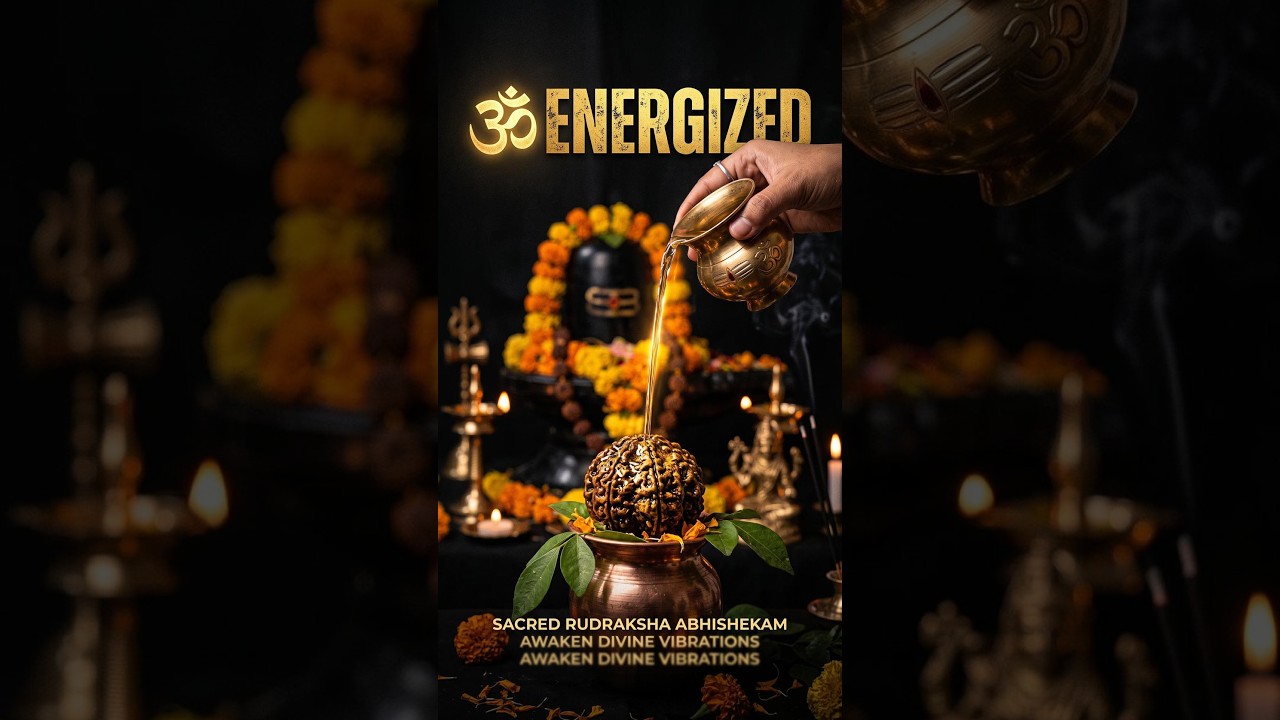
As the writer of this blog, I have always been intrigued by the intersection of spirituality and science. My exploration of Rudraksha began out of curiosity, and I was amazed by the depth of knowledge surrounding these sacred beads. Through this article, I aimed to provide readers with a comprehensive understanding of Rudraksha, combining historical context with scientific insights. It has been a personal journey of discovery, and I hope to inspire others to delve into the mysteries of Rudraksha as I have. Each bead carries its own story and energy, and I believe that everyone, regardless of their spiritual background, can benefit from incorporating Rudraksha into their lives.
RSS
Blog posts tagged with 'health benefits'
Filters
Blog archive
- 2026
- 2024
- 2022
- 2021
- 2020
- 2019
- 2018
- 2017
- 2016
- 2014
- 2013
- 2012
- 2011
- 2010
In the realm of Ayurveda and Hinduism, there exists a plant so revered that it's often regarded as a symbol of spiritual growth and wellness. Tulsi, commonly known as Holy Basil, has been a cornerstone of traditional Indian medicine and spiritual practices for centuries. Its sacred significance extends beyond its medicinal properties, representing a gateway to physical, mental, and spiritual harmony. As we delve into the world of Tulsi, get ready to uncover the secrets of this holy plant and its profound impact on our overall wellbeing.
The 3 Mukhi Rudraksha is revered in Vedic tradition as a beacon of fire and transformative energy. It is specifically utilized for self-healing, revitalizing the body’s energy levels, and dissolving the mental "residue" of fear, guilt, and inferiority complexes. This guide explores how the 3 Mukhi acts as a powerful catalyst for both physical fitness and spiritual liberation.