
Types of Pearl: Natural, Cultured, Imitation and Traditional Names
“Type of pearl” can mean a material description, a pearl-farming category or a traditional name. Clarify which meaning the seller intends before comparing quotations. A religious name and a modern laboratory identification are different descriptions.

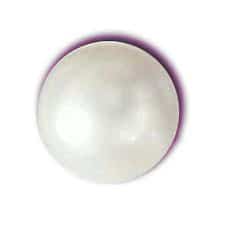

Material descriptions used when buying
| Description | Meaning for your comparison | Question to ask |
|---|---|---|
| Natural pearl | A pearl formed without human intervention. | Does this item's report establish natural rather than cultured status? |
| Cultured pearl | A pearl grown in a mollusk following human intervention. | What cultured type, dimensions and findings are recorded? |
| Imitation pearl | A material made to resemble a pearl. | What material is supplied, and is “imitation” clearly disclosed? |
GIA distinguishes these categories and notes that most pearls in today's market are cultured. Cultured pearls should not be described as natural pearls merely because a mollusk produced them. Read GIA's terminology explanation.
Freshwater, Akoya, South Sea and Tahitian labels
These names appear in cultured-pearl shopping. Do not use a familiar name as a shortcut for judging an individual item. Ask which description the seller and report support, then compare its real measurements, appearance, surface condition and completed price. If two quotations use different categories, establish that difference before deciding one is cheaper.
“Shell pearl” also needs clarification. Some products sold under that name are pearl imitations made from shell beads with a coating. A shell component does not make an imitation a natural or cultured pearl. GIA documents this distinction in its shell-pearl laboratory note.
The eight traditional pearl sources
Older devotional and astrological accounts discuss Megha Mukta, Sarpa Mukta, Bansha Mukta, Shooar Mukta, Gaj Mukta, Shankh Mukta, Meena Mukta and oyster Mukta. The names remain relevant when reading those traditions. The list below preserves that cultural context; it is not a laboratory classification or evidence that every described object exists as a commercially identifiable pearl.
- Megha Mukta: a cloud-associated pearl in traditional accounts.
- Sarpa Mani or Sarpa Mukta: a snake-associated object in traditional accounts.
- Bansha Mukta: a bamboo-associated object in traditional accounts.
- Shooar Mukta: a boar-associated object in traditional accounts.
- Gaj Mukta: an elephant-associated object in traditional accounts.
- Shankh Mukta: a conch-associated pearl name. Ask for identification of the actual offered object rather than relying on its spiritual description.
- Meena Mukta: a fish-associated object in traditional accounts.
- Oyster Mukta: an oyster-associated name; it does not by itself distinguish natural from cultured pearl.
Stories about Svati Nakshatra, unusual powers or extraordinary rarity belong to the interpretation of a tradition. They do not establish an item's biological source, authenticity, treatment, geographic origin or value. Request evidence appropriate to the claim before paying a rarity premium.
A simple way to compare two offers
- Write down the exact material/type description for each item.
- Record its dimensions, whether it is loose or mounted, and what the quote includes.
- Compare ordinary-light photographs, including the drill hole or setting.
- Match each report to its own item. Do not transfer findings from a sample certificate.
- Confirm return conditions and any requested additional testing before placing the order.
See the pearl buying guide for these checks in more detail. For condition and handling, continue to the pearl surface and care guide. Current pearl listings show what is actually offered; a type discussed in this article is not an availability promise.
Original contribution: Rashmita Nayak. Buying information revised by Omm Rudraksha & Gemstones, 12 October 2026. Existing page address retained.
