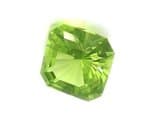
Identification of real emerald
How to Identify Real Emerald (Panna) – Genuine vs Fake Guide
Emerald (Panna) is a precious gemstone known for its vibrant green color and astrological significance. Due to its high value, many imitations and synthetic stones are available in the market.
Identifying a real emerald is not always easy. While some basic observations can help, accurate identification often requires gemological testing. This guide explains practical methods along with expert advice.
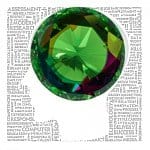
Visual Identification of Real Emerald
Natural emeralds typically contain internal inclusions known as "jardin" (garden-like patterns). These are a sign of natural formation and help distinguish them from synthetic stones.

Practical Methods to Identify Original Emerald
- Inclusions (Natural Imperfections)
A real emerald usually contains visible inclusions. A perfectly clean stone may indicate synthetic or imitation material. - Color & Transparency
Natural emerald shows a rich green color with slight variations. Extremely bright or uniform color may indicate artificial origin. - Temperature Test (Basic Observation)
Natural gemstones often feel cool to the touch initially, but this is not a definitive test and should not be solely relied upon. - Magnification Test
Using a jeweler’s loupe, natural emeralds show irregular inclusions, while fake stones (glass or synthetic) may show bubbles or very uniform clarity. - Refractive Index & Specific Gravity
These are scientific methods used by gemologists to confirm authenticity. They require proper instruments. - Lab Certification (Most Reliable Method)
The most accurate way to identify a genuine emerald is through a certified gemological laboratory report.
Common Myths About Emerald Testing
- ✖ Water turning green is not a reliable test
- ✖ Rubbing on turmeric or wood is not scientifically valid
- ✖ Water drop tests are inconsistent and misleading
These methods are commonly circulated but are not accepted in modern gemology.
Common Fake or Substitute Stones
- Green glass (often with bubbles)
- Synthetic emerald (lab-created)
- Green cubic zirconia
- Dyed quartz or other green stones
Expert Buying Advice
- ✔ Always buy from a trusted seller
- ✔ Ask for lab certification
- ✔ Avoid stones that look too perfect at very low prices
- ✔ Check return and authenticity policies
Conclusion
While basic checks can help identify obvious imitations, lab certification remains the most reliable way to confirm a real emerald.
Buy with awareness. Wear with confidence.