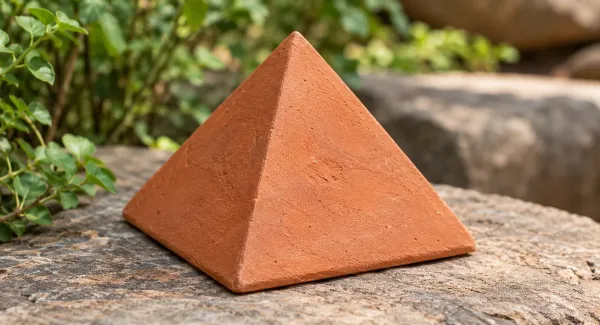
This clay pyramid is designed as one moulded clay pyramid. The construction and included components define this design and distinguish it from other pyramid forms.
Appearance and physical form
An earth-toned clay form offers a matte, handmade-looking alternative to polished stone and metal. The loose market term mud does not explain whether a body is fired, unfired or mixed with binders. The actual fabrication is essential to both the purchase description and the care method.
Material and construction questions
Ask about firing, ingredients, hollow or solid construction and coatings. Inspect the base, apex and any loose grain or cracking. A terracotta colour alone cannot prove kiln firing or outdoor durability. This construction must be verified before an actual commercial offer is released.
| Specification | Buying information |
|---|
| Design | Clay Pyramid |
| Physical form | one moulded clay pyramid |
| Material | Clay |
| Dimensions and weight | Provided for the selected piece before purchase |
| Colour and pattern | Natural or finish-related variation; refer to the actual piece |
| Treatment and origin | Refer to the disclosure for the selected piece |
Care and handling
Keep an uncertain earth body dry and dust lightly. Avoid soaking, wet ritual mixtures and damp plant trays; pack with support around the body and apex.
Traditional significance
Earth materials are associated with stability in some contemporary Vastu practices; the association is symbolic.
Product questions
Does mud automatically mean fired terracotta? No. Is natural necessarily binder-free? No. Can the object fix a damp building? It does not repair a physical building fault.
Helpful reading